Condos & Apartments
Elizabeth Condos & Apartments
The corridor housing that surrounds a historic bungalow neighborhood — buildings, fees, parking, and who actually lives there.
Elizabeth's identity is built around its single-family bungalows, but the neighborhood has never been exclusively houses. The corridors that frame the historic district — Elizabeth Avenue, Seventh Street, and the streets nearest the hospital campuses and Central Piedmont Community College — have carried condos, apartments, and small mixed-use buildings for decades, and that stock has only grown as Charlotte's in-town demand has pushed development toward the neighborhood's edges. For anyone priced out of a historic house, or simply uninterested in yard work and exterior maintenance, the corridor is where Elizabeth actually becomes attainable.
Three kinds of attached housing, and how they differ
Older low-rise buildings — generally two to three stories, built between the 1960s and 1980s — make up a meaningful share of the corridor's inventory. They tend to have simpler, sometimes dated common areas, smaller HOA reserve funds relative to their age, and surface-lot parking that is not always deeded to a specific unit. They are also usually the most affordable entry point into the neighborhood.
Lofts and converted or purpose-built industrial-style buildings lean into exposed brick, tall ceilings, and open floor plans, and they tend to draw buyers who want a distinct aesthetic rather than a traditional condo layout. Parking and storage are often the trade-off, since many of these buildings were adapted from structures never designed with modern parking ratios in mind.
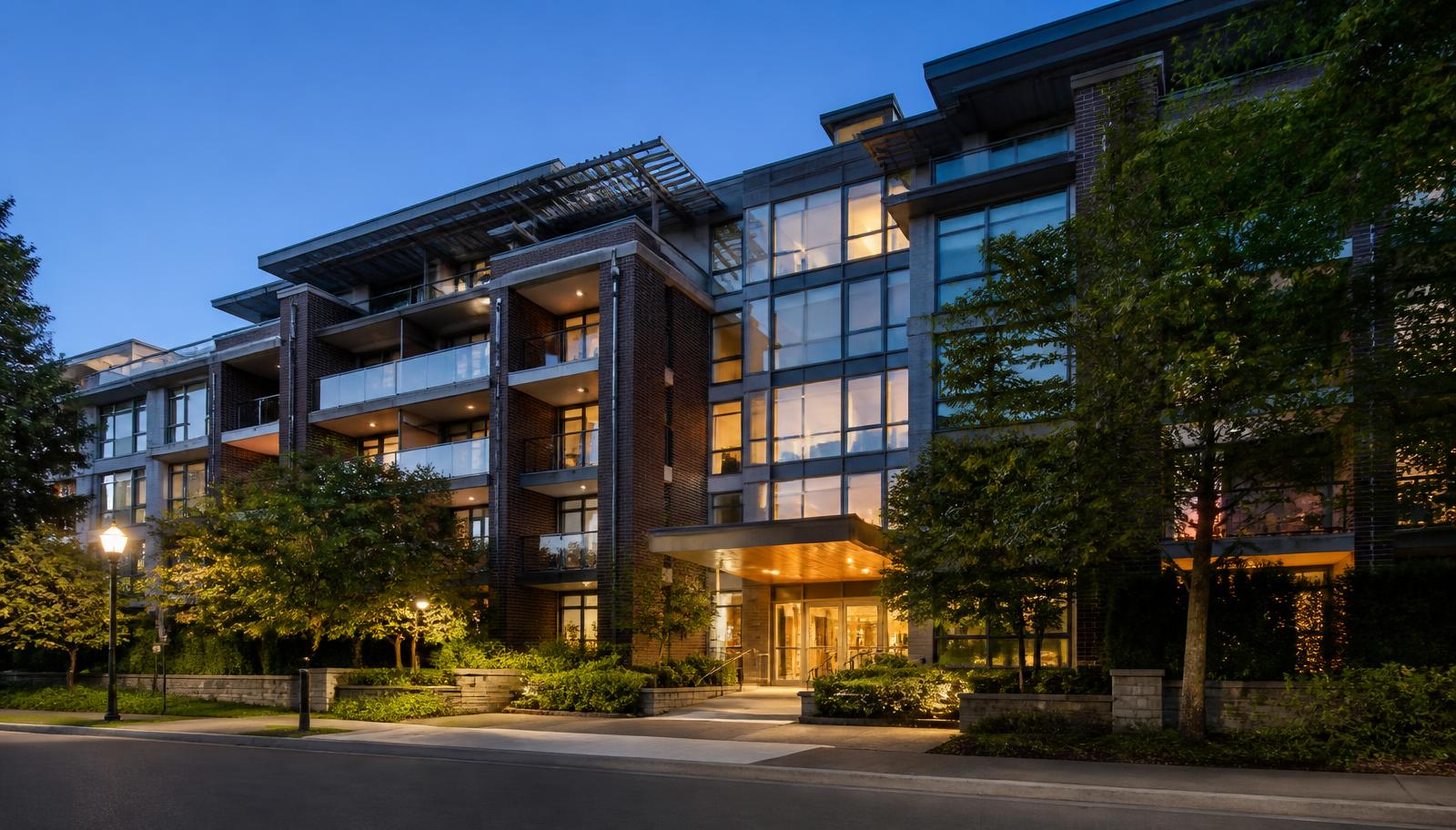
Newer mid-rise construction, concentrated closer to the Elizabeth Avenue corridor and the CityLYNX Gold Line streetcar line, generally offers more consistent amenities — elevators, fitness rooms, structured parking — along with correspondingly higher HOA assessments. These buildings sit outside the locally designated historic district, so they are not subject to the Certificate of Appropriateness process that governs exterior work on the historic houses nearby.
Related reading on housing type and value
What the HOA documents actually tell you
A condo purchase is really two purchases: the unit, and a fractional stake in the building's finances. Ask for the reserve study or, if there is not a formal study, the current reserve balance and the age of major building systems — roof, elevator, façade, and parking structure if applicable. Request meeting minutes from at least the past year to see whether a special assessment has been discussed, and get the current monthly assessment in writing along with any increase already approved for the coming year. In older buildings especially, an unusually low monthly fee is sometimes a sign that the association has been deferring the maintenance a well-run building would already be funding.
Parking is the detail buyers most often skip
Parking arrangements on the corridor range from deeded, assigned spaces in a structured deck to entirely unassigned surface lots to, in a few of the oldest buildings, essentially no dedicated off-street parking at all. This is not a minor detail: it affects daily livability, resale appeal, and whether a unit works for a household with more than one vehicle. Confirm parking rights as a specific line item in the HOA documents rather than relying on what happens to be open the day of a showing.
Condo versus bungalow: the actual trade-off
The comparison buyers usually need to make is not condo-versus-condo, it is condo-versus-bungalow, since both are genuine ways to live in Elizabeth. A condo removes exterior maintenance, roof and structural risk, and Historic District Commission review from an owner's plate, replacing them with a monthly assessment and shared decision-making through the HOA board. A bungalow offers land, more control, and typically stronger long-term appreciation in the neighborhood's interior blocks, in exchange for the maintenance burden and review process that come with an early-twentieth-century structure. Buyers who travel often, want predictable monthly costs, or simply do not want to manage a roof tend to prefer the condo trade-off; buyers who want a yard, more square footage per dollar, or an asset they fully control tend to choose the house.
Who actually lives on the corridor
The tenant and buyer base along Elizabeth Avenue skews toward people whose daily life centers on the corridor itself: clinicians and staff from the nearby Novant Health and Atrium Health campuses, students and employees connected to Central Piedmont Community College, young professionals commuting into uptown, and owners who have downsized out of a historic house but want to stay in the neighborhood. That mix keeps rental demand comparatively steady, since it is not dependent on any single employer or season.
Where to live
Communities and buildings near the corridor
Named condo buildings, apartment communities, and infill pockets across and around Elizabeth.
Local representation
HOA due diligence matters more than the finishes
A well-staged unit can hide a thin reserve fund or a coming special assessment. Peters & Associates can pull comparable sales and flag building-specific red flags before you make an offer on an Elizabeth-area condo.
Charlotte Real Estate
Peters & Associatesyourleaderinluxury.comAdvertising disclosure. This is a paid or affiliated relationship: the firm above is affiliated with or compensates the publisher of this independent guide, and contacting it may result in a commercial engagement. It does not buy editorial placement. Full disclosure.
Questions & Answers
Frequently asked questions
Direct answers to what readers most often ask about this section of the guide. Each answer cites the primary source it rests on.
All Elizabeth questions →Are there condos actually inside the Elizabeth historic district?
Most of Elizabeth's condo and apartment stock sits along the Elizabeth Avenue and Seventh Street corridors and on the district's boundary streets rather than deep in the interior blocks, which are almost entirely single-family. A handful of older low-rise buildings do sit close to or within the district edges, so it is worth checking a specific address against the historic district map before assuming design review does or does not apply.
Source: City of Charlotte tree canopy and tree ordinance program
Do Elizabeth condos come with dedicated parking?
It depends heavily on the building. Newer mid-rise construction generally includes at least one deeded or assigned space per unit, sometimes in a structured deck; older low-rise buildings from the 1960s through 1980s more often rely on an open surface lot with unassigned spaces, and some of the oldest buildings offer little to no off-street parking at all. Always confirm parking rights in writing as part of the HOA documents, not just verbally from a listing agent.
Source: City of Charlotte tree canopy and tree ordinance program
What should I check in the HOA documents before buying a condo here?
Ask for the reserve study or reserve fund balance, the last two years of meeting minutes, the current monthly assessment and any planned increases, and whether a special assessment is pending — older buildings with deferred roof, envelope, or elevator work are the ones most likely to need one. Also confirm the rental cap and any minimum lease term if you are buying with rental income in mind.
Is a condo in Elizabeth a good alternative to a bungalow?
It depends on what you are optimizing for. A condo generally trades ongoing exterior maintenance, historic-district review, and yard upkeep for a monthly HOA fee and less control over the building's finances and pace of capital work. Buyers who want walkability and low-maintenance ownership without giving up the neighborhood often find a condo the better fit; buyers who want land, a garden, and full control of their own structure generally still prefer a house.
Source: City of Charlotte
Who typically buys or rents condos in Elizabeth?
The corridor draws a mix of professionals working at the two nearby hospital campuses or uptown, Central Piedmont Community College students and staff, downsizing owners who want to stay in the neighborhood without maintaining a yard, and investors renting to that same tenant base. That mix tends to make turnover and rental demand along the corridor fairly steady relative to the single-family market.
Can I short-term rent a condo in Elizabeth?
Not automatically — many HOAs restrict minimum lease lengths or prohibit short-term rentals outright regardless of what the city otherwise allows, and Charlotte's own short-term rental rules apply on top of that. Read the specific building's declaration and bylaws before assuming a unit can be used as a short-term rental, and do not rely on what a current owner says they are doing informally.
Our Sources
How this page was researched
This guide is independently written and verified against primary public records and official organizations. It is not affiliated with, endorsed by, or representing any neighborhood association, hospital, college, school district, or governing body.
Read our full citation methodology and editorial standards- 01Charlotte-region housing market reports
Canopy Realtor® Association / Canopy MLS
Regional price, inventory, and days-on-market trends.
- 02POLARIS 3G property and parcel records
Mecklenburg County GIS
Parcel boundaries, lot sizes, ownership, and sale history.
- 03Unified Development Ordinance and zoning maps
City of Charlotte
Zoning districts, setbacks, height, and permitting rules.
- 04Neighborhood and community association registration records
North Carolina Secretary of State
Community association entity records.
Figures such as pricing, assessments, business hours, and school assignment change over time. Always confirm current details directly with the source before making a decision.
Topic Cluster
Elizabeth Homes & Market
Housing stock, price bands, enclaves, and street-level value.
The Elizabeth Guide — Elizabeth Homes & Market →Communities, Buildings & Enclaves
Every pocket, condo building, and infill community in and around Elizabeth.
Continue →Elizabeth Apartments & Rentals
Where the rental inventory sits, what it costs, and what a lease here should spell out.
Continue →Elizabeth Market Data
Price per square foot, inventory, and what drives value street to street.
Continue →Investing & Renting in Elizabeth
Rental demand, short-term rules, duplexes, and the hospital-adjacent tenant base.
Continue →Local Expertise
Work with the firms behind this guide
Last reviewed August 1, 2026. This guide keeps no contact form and no inbox — inquiries go directly to the firms below.