Homes & Real Estate
Homes in Elizabeth
What the housing stock actually is, how it trades, and which streets and structures drive the difference.
Elizabeth is a small neighborhood — roughly a mile across at its widest — and its housing stock is the most legible thing about it. The great majority of houses went up between the arrival of the streetcar in the 1900s and the end of the 1920s building boom, which means the neighborhood reads as one continuous architectural period rather than a series of layers. That coherence is the reason the district was designated, and it is the reason value here behaves differently than it does in newer parts of Charlotte.
The four housing types you will actually see
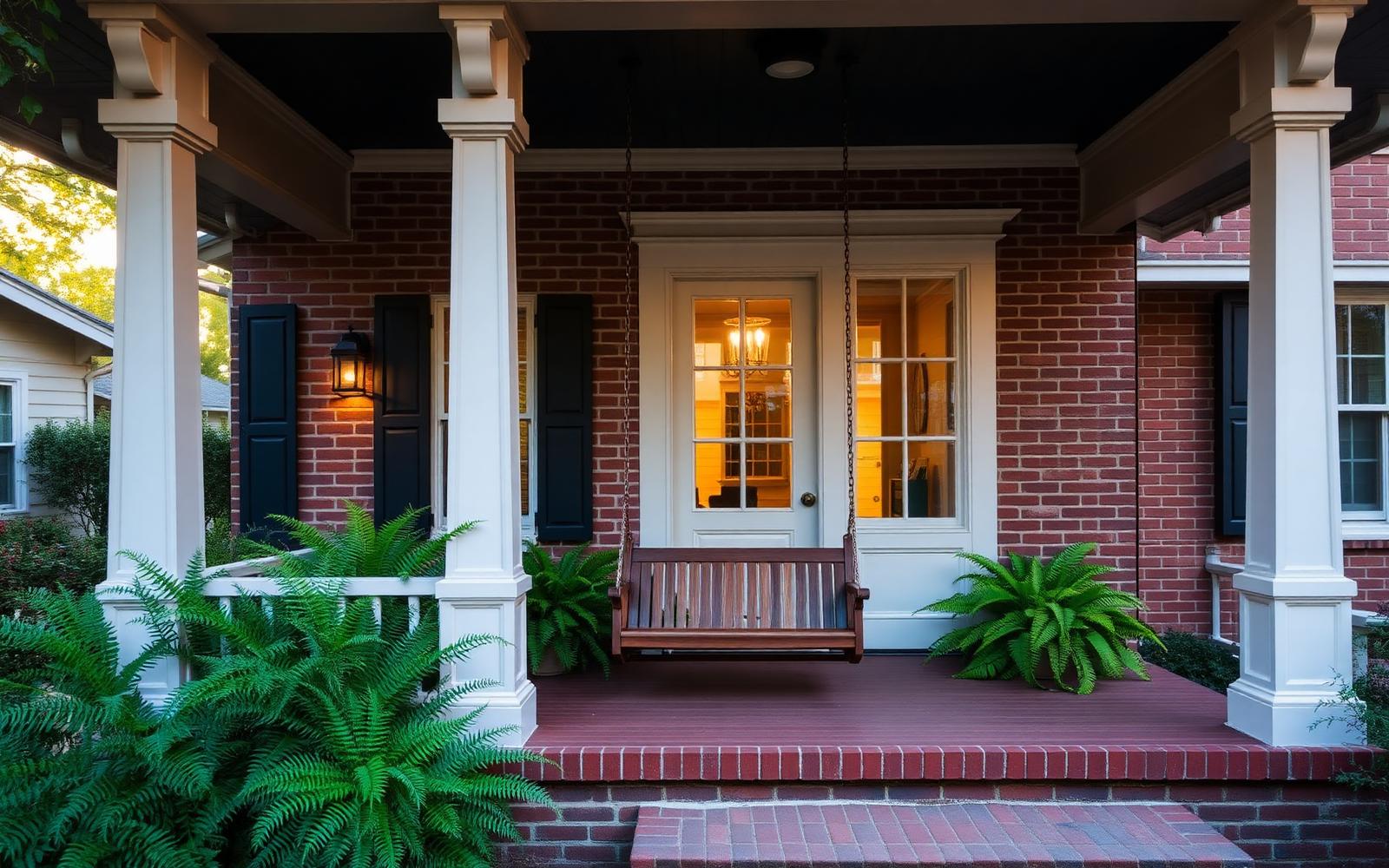
Craftsman bungalows are the neighborhood's signature: one to one and a half stories, deep front porches on tapered or battered columns, exposed rafter tails, and low-pitched roofs with broad eaves. Most sit on lots between 50 and 70 feet wide, with the original detached garage — where one survives — set well back.
Colonial Revival and Dutch Colonial two-stories cluster on the wider, more prominent streets, particularly the blocks framing Independence Park. They are the largest historic houses in the neighborhood, and the ones most likely to have been expanded to the rear.
American Foursquares appear throughout: boxy, hipped-roof, two-story houses with a full-width porch and a center dormer. They deliver more usable square footage per footprint than a bungalow, which makes them popular with families who want historic character and four bedrooms.
Condos, lofts, and infill sit mostly on the Elizabeth Avenue and Seventh Street corridors and along the district's boundary roads. They are the entry point into the neighborhood for most buyers, and the only place where genuinely modern construction appears at scale.
Go deeper on the housing stock
What moves price here
In a neighborhood this small, neighborhood-level averages are close to useless. Four factors explain most of the spread between two houses of similar size:
Street and traffic. Interior blocks with full canopy and low through-traffic command a premium over the boundary corridors — Hawthorne Lane, Elizabeth Avenue, Central Avenue — where volume and speed are higher. Lot width and depth. A 70-foot lot with room for a rear addition and a real backyard is worth materially more than a 45-foot lot on the same street. Condition and system age. Knob-and-tube wiring, original galvanized supply lines, unencapsulated crawl spaces, and 1980s HVAC retrofits are common and expensive. Additions done well. A rear addition that respects the roof form and keeps the original massing visible from the street adds value; a bolted-on second story rarely does.
Buying process specifics for this neighborhood
Get a full inspection plus a separate sewer scope — clay laterals under 90-year-old oak roots are the single most common surprise. Ask for the parcel record on POLARIS before writing, and confirm whether the property is inside the local historic district or only inside the National Register district, because the two carry very different obligations. If you intend to renovate, budget the design-review calendar as part of your timeline, not as an afterthought.
Inventory is thin. In a typical month the entire neighborhood may have only a handful of active single-family listings, and the best houses often trade with limited marketing. Buyers who succeed here are usually the ones already talking to a neighborhood specialist before a house appears.
Where to live
Communities and enclaves in Elizabeth
Every historic pocket, condo building, and infill community inside and bordering the neighborhood.
Blocks
Street-by-street detail
Character, building era, and daily conditions for the streets that make up the district.
Local representation
Buying or selling a historic Elizabeth house is a specialist's job
Condition, review requirements, and street-level value differences matter more here than in a subdivision. Peters & Associates works this neighborhood specifically and can walk a house with you before you write.
Charlotte Real Estate
Peters & Associatesyourleaderinluxury.comAdvertising disclosure. This is a paid or affiliated relationship: the firm above is affiliated with or compensates the publisher of this independent guide, and contacting it may result in a commercial engagement. It does not buy editorial placement. Full disclosure.
Questions & Answers
Frequently asked questions
Direct answers to what readers most often ask about this section of the guide. Each answer cites the primary source it rests on.
All Elizabeth questions →What types of homes are for sale in Elizabeth, Charlotte?
The bulk of Elizabeth's housing stock is early-twentieth-century: Craftsman bungalows built between roughly 1905 and 1930, Colonial Revival and Dutch Colonial two-stories, American Foursquares, and a smaller number of Tudor Revival cottages. Alongside those are condos and lofts on the Elizabeth Avenue corridor, a handful of 1960s–1980s low-rise apartment buildings, and modern infill houses and townhomes on lots that lost their original structures.
How much do homes in Elizabeth cost?
Restored historic houses in the district's interior blocks generally trade in the upper price bands for in-town Charlotte, while unrenovated bungalows, condos, and homes on the busier boundary corridors sit meaningfully lower. Because the neighborhood is small and turnover is limited, price per square foot varies more by street, lot width, and canopy than by any single neighborhood-wide average. Verify current figures against Canopy MLS data before relying on them.
Source: City of Charlotte tree canopy and tree ordinance program
Is it hard to renovate a home in Elizabeth?
Exterior changes visible from the street inside the locally designated historic district generally require a Certificate of Appropriateness from the Charlotte Historic District Commission before a building permit is issued. Interior work is not reviewed. Owners who plan for the review calendar early rarely find it a barrier; owners who order windows first often do.
Source: Charlotte Historic District Commission — design standards
Are there new-construction homes in Elizabeth?
Yes, but they are scarce and almost always infill: a single lot, a teardown replacement, or a small townhome cluster. New construction inside the historic district is reviewed for massing, setback, roof form, and materials, which is why most new houses read as compatible with their neighbours rather than contemporary.
Is Elizabeth a good place to buy an investment property?
Elizabeth's constrained supply, walkability, and proximity to two hospital campuses and Central Piedmont Community College have historically supported steady demand for both ownership and rental housing. Short-term rental rules, historic-district review, and parking limitations all affect returns and should be confirmed for a specific parcel before purchase.
Our Sources
How this page was researched
This guide is independently written and verified against primary public records and official organizations. It is not affiliated with, endorsed by, or representing any neighborhood association, hospital, college, school district, or governing body.
Read our full citation methodology and editorial standards- 01POLARIS 3G property and parcel records
Mecklenburg County GIS
Parcel boundaries, lot sizes, ownership, and sale history.
- 02Charlotte-region housing market reports
Canopy Realtor® Association / Canopy MLS
Regional price, inventory, and days-on-market trends.
- 03Property tax and assessed value records
Mecklenburg County Assessor's Office
Assessed values, revaluation cycles, and tax rates.
- 04Local historic district design standards and review process
City of Charlotte Historic District Commission
Certificate of Appropriateness requirements for exterior work.
Figures such as pricing, assessments, business hours, and school assignment change over time. Always confirm current details directly with the source before making a decision.
Topic Cluster
Elizabeth Homes & Market
Housing stock, price bands, enclaves, and street-level value.
The Elizabeth Guide — Elizabeth Homes & Market →Elizabeth Market Data
Price per square foot, inventory, and what drives value street to street.
Continue →Elizabeth Street-by-Street
What each street looks like, when it was built, and how it trades.
Continue →Communities, Buildings & Enclaves
Every pocket, condo building, and infill community in and around Elizabeth.
Continue →The Bungalow Field Guide
Plan types, porch forms, and how to price an original against a flip.
Continue →Local Expertise
Work with the firms behind this guide
Last reviewed August 1, 2026. This guide keeps no contact form and no inbox — inquiries go directly to the firms below.