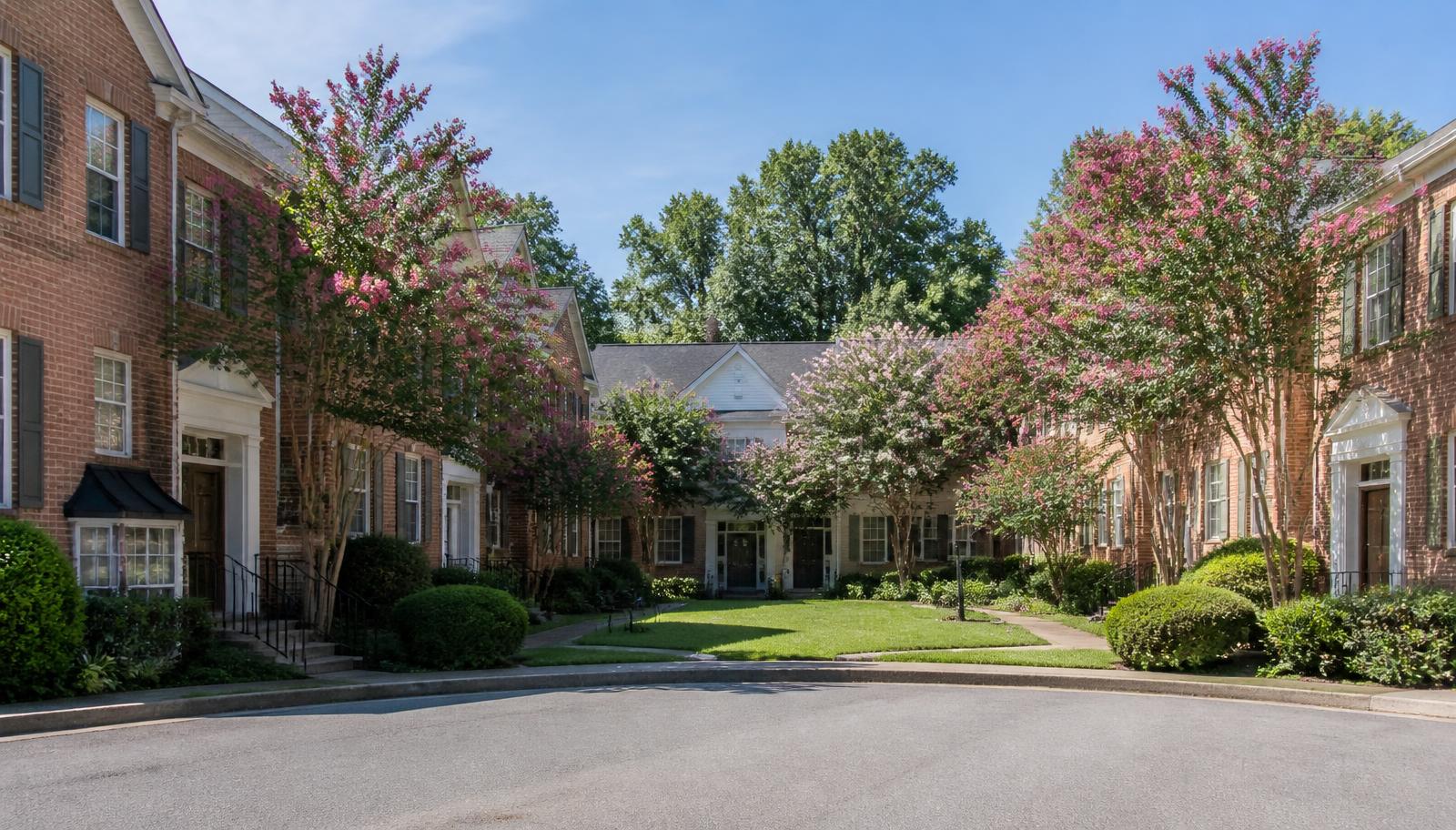
Historic pocket
Pecan–Kenmore Pocket
A quieter, slightly later-built pocket toward the eastern edge of the historic district, bordering Chantilly.
A quieter, slightly later-built pocket toward the eastern edge of the historic district, bordering Chantilly.
About Pecan–Kenmore Pocket
Pecan and Kenmore Avenues sit toward the eastern edge of Elizabeth's historic core, built slightly later than the streets nearer the park and showing a few more transitional bungalow-to-ranch forms as the district approaches its Chantilly border.
Because it sits at the district's edge, this pocket has historically traded at a modest discount to the blocks nearer Independence Park, while offering the same historic district protections and canopy.
It is a common landing spot for buyers who want the historic district designation and walkability without competing for the most sought-after park-adjacent addresses.
Edge-of-district addresses carry a specific and often misunderstood advantage: the same regulatory protection as the district's most expensive blocks, at a price set partly by distance from the park. The design review that keeps the streetscape legible applies here identically. The canopy is comparable. What differs is walking distance to Independence Park and to the East 7th commercial cluster — several minutes more, which for many households is not a meaningful cost and for the market clearly is.
The architecture is worth looking at closely, because this stretch was built as one style was giving way to another. Alongside conventional Craftsman bungalows sit houses with lower rooflines, shallower porches, and floor plans that read as early steps toward the post-war ranch. These transitional houses are frequently mislabelled in listings and are genuinely interesting; they are also often more practical to live in, with fewer level changes and simpler massing, which matters to buyers thinking about staying in a house for decades.
Being at the boundary makes verification more important than usual, not less. District lines follow parcels rather than street centrelines, so two neighbouring houses can sit on opposite sides of the overlay, with entirely different obligations for exterior work. Anyone buying near the edge with renovation plans should confirm the specific parcel's status with the Charlotte-Mecklenburg Historic Landmarks Commission before drawing anything, because that one answer determines both the process and the budget.
What defines it
- Historic district protection at a relative discount to park-adjacent blocks
- Transitional architecture bridging bungalow and later ranch forms
- Borders Chantilly for additional dining and shopping options
- Comparable canopy coverage to the district's interior
Housing summary
| Type | Historic pocket |
|---|---|
| Building era | 1915–1935 |
| Scale | roughly 45 homes |
| Typical range | $450,000–$800,000 |
| Principal streets | Pecan Avenue, Kenmore Avenue |
Ranges are general characterizations rather than appraisals, and turnover in a market this small can move them quickly. Verify current figures against Canopy MLS and parcel records on Mecklenburg County POLARIS before relying on them.
Block by block
Streets in and around Pecan–Kenmore Pocket
Character, building era, and daily conditions street by street.
Keep exploring
Other communities and enclaves
Local representation
Looking at Pecan–Kenmore Pocket?
Condition, review requirements, and street-level differences drive value here more than any neighborhood average. Peters & Associates works Elizabeth specifically and can walk a property with you before you write an offer.
Charlotte Real Estate
Peters & Associatesyourleaderinluxury.comAdvertising disclosure. This is a paid or affiliated relationship: the firm above is affiliated with or compensates the publisher of this independent guide, and contacting it may result in a commercial engagement. It does not buy editorial placement. Full disclosure.
Questions & Answers
Frequently asked questions
Direct answers to what readers most often ask about this section of the guide. Each answer cites the primary source it rests on.
All Elizabeth questions →Is this pocket still inside the historic district?
Yes, though it sits near the boundary, so buyers should confirm exact parcel status with the Historic Landmarks Commission before assuming coverage.
How does pricing compare to blocks near the park?
Historically it has traded somewhat lower than park-adjacent blocks, though current listings should be checked against Canopy MLS for up-to-date figures.
Source: City of Charlotte tree canopy and tree ordinance program
How do I confirm whether a specific house is inside the historic district?
Check the parcel directly with the Charlotte-Mecklenburg Historic Landmarks Commission and the City of Charlotte, since the boundary follows parcel lines rather than street centrelines. Neighbouring houses can have different obligations, and a listing's description is not authoritative.
Are the transitional-era houses here a good buy?
Often, on practical grounds. Simpler massing, fewer level changes and floor plans closer to modern expectations can make them easier to live in and cheaper to maintain than an equivalent full bungalow, and they are frequently underdescribed in listings.
Source: Charlotte Area Transit System — routes and the Gold Line streetcar
Our Sources
How this page was researched
This guide is independently written and verified against primary public records and official organizations. It is not affiliated with, endorsed by, or representing any neighborhood association, hospital, college, school district, or governing body.
Read our full citation methodology and editorial standards- 01POLARIS 3G property and parcel records
Mecklenburg County GIS
Parcel boundaries, lot sizes, ownership, and sale history.
- 02Charlotte-region housing market reports
Canopy Realtor® Association / Canopy MLS
Regional price, inventory, and days-on-market trends.
- 03Survey and designation records for Charlotte's historic neighborhoods
Charlotte-Mecklenburg Historic Landmarks Commission
Historic designation, survey history, and landmark property records.
- 04Local historic district design standards and review process
City of Charlotte Historic District Commission
Certificate of Appropriateness requirements for exterior work.
Figures such as pricing, assessments, business hours, and school assignment change over time. Always confirm current details directly with the source before making a decision.
Topic Cluster
Elizabeth Homes & Market
Housing stock, price bands, enclaves, and street-level value.
The Elizabeth Guide — Elizabeth Homes & Market →Elizabeth Homes & Real Estate
Housing stock, price bands, and how this small historic market actually trades.
Continue →Elizabeth Neighborhood, Charlotte NC
The whole neighborhood on one page: place, history, architecture, district, market, and daily life.
Continue →Elizabeth Market Data
Price per square foot, inventory, and what drives value street to street.
Continue →Communities, Buildings & Enclaves
Every pocket, condo building, and infill community in and around Elizabeth.
Continue →Local Expertise
Work with the firms behind this guide
Last reviewed August 1, 2026. This guide keeps no contact form and no inbox — inquiries go directly to the firms below.